🇮🇹
Southern Europe
Italian Countryside
La cucina della nonna, grandmother's kitchen
$32 / box
4 spices · 2oz each
Cantanzaro HerbsItalian HerbsFennel SeedCrushed Red Pepper
La cucina della nonna, grandmother's kitchen
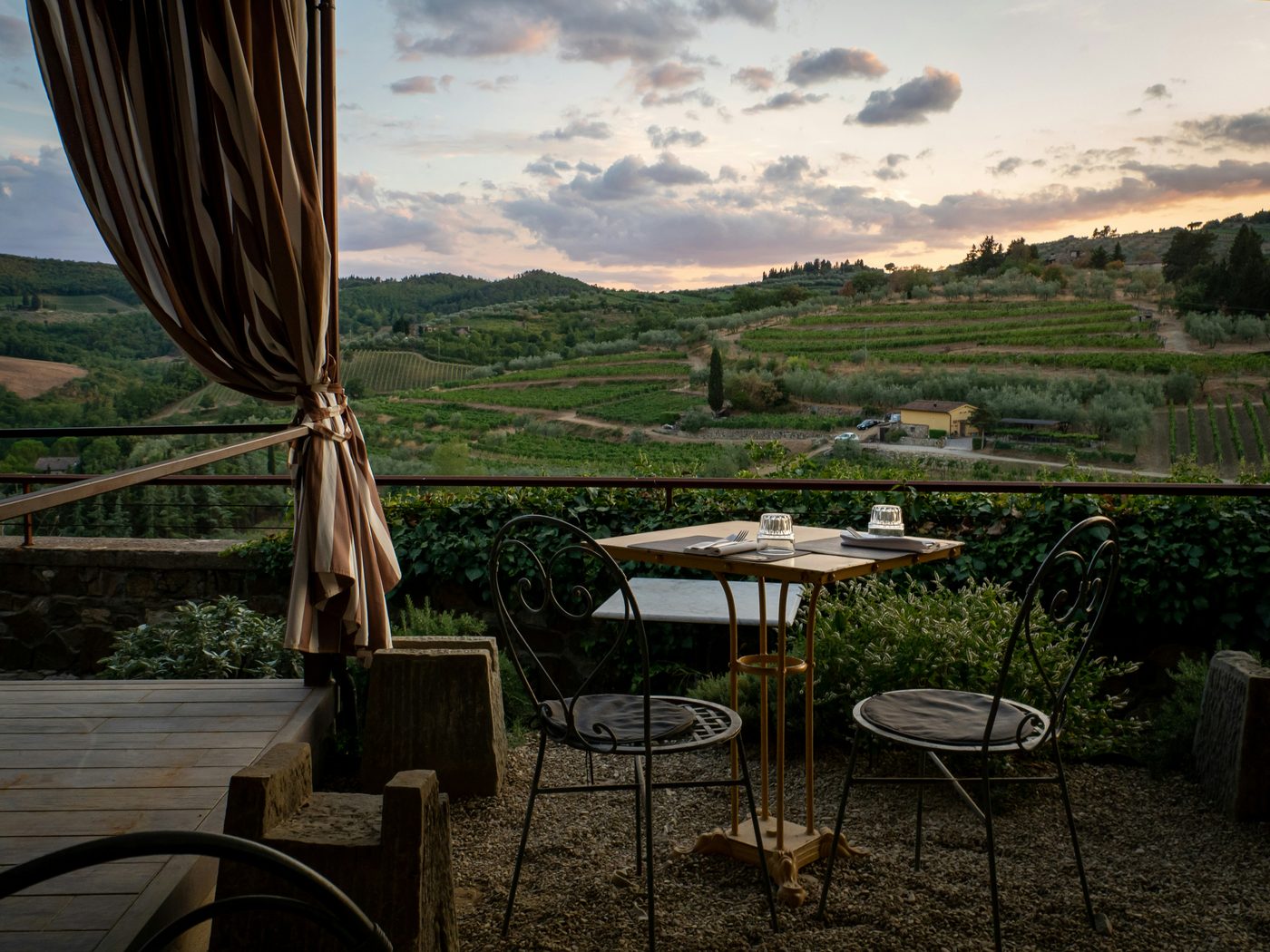
Italian cooking is a philosophy as much as it is a cuisine. The best ingredients, treated simply. These four blends capture the rustic, earthy cooking of the Italian countryside, the Tuscany of rolling hills, stone farmhouses, and meals that last all afternoon.
Named after the ancient city in Calabria, the fiery toe of Italy's boot. A robust Southern Italian herb blend dominated by oregano, basil, and rosemary. The backbone of Italian cooking.
The classic Northern Italian herb blend, subtler and more balanced than its Southern counterpart. A versatile mix of dried basil, thyme, sage, and marjoram that works with almost anything.
One of the most underrated spices in the Italian pantry. Fennel seed has a mild anise flavour that transforms sausages, pork, and tomato sauces. A staple in Sicilian and Tuscan cooking.
The heat of Southern Italy. From Naples to Calabria, crushed red pepper is on every table, in every pasta, and in every Italian-American kitchen. The simplest way to add Italian fire.
The ultimate Italian peasant dish, a thick, hearty soup of pasta and cannellini beans built on a base of Cantanzaro Herbs and slow-cooked aromatics.
Heat olive oil in a heavy pot, cook garlic until golden.
Add Cantanzaro Herbs, Fennel Seed, and Crushed Red Pepper, cook 1 minute.
Add tomatoes, beans, and stock. Add Parmesan rind if using.
Simmer 20 minutes, then mash a cup of beans to thicken.
Cook pasta directly in the soup until al dente. Serve with extra olive oil.
In Italian, 'cucina povera' means 'poor kitchen', the cooking tradition of Italian peasants who made extraordinary food from almost nothing. Pasta e fagioli, polenta, and ribollita all come from this tradition and are now celebrated in Michelin-starred restaurants worldwide.