🇺🇸
American South
Southern US BBQ
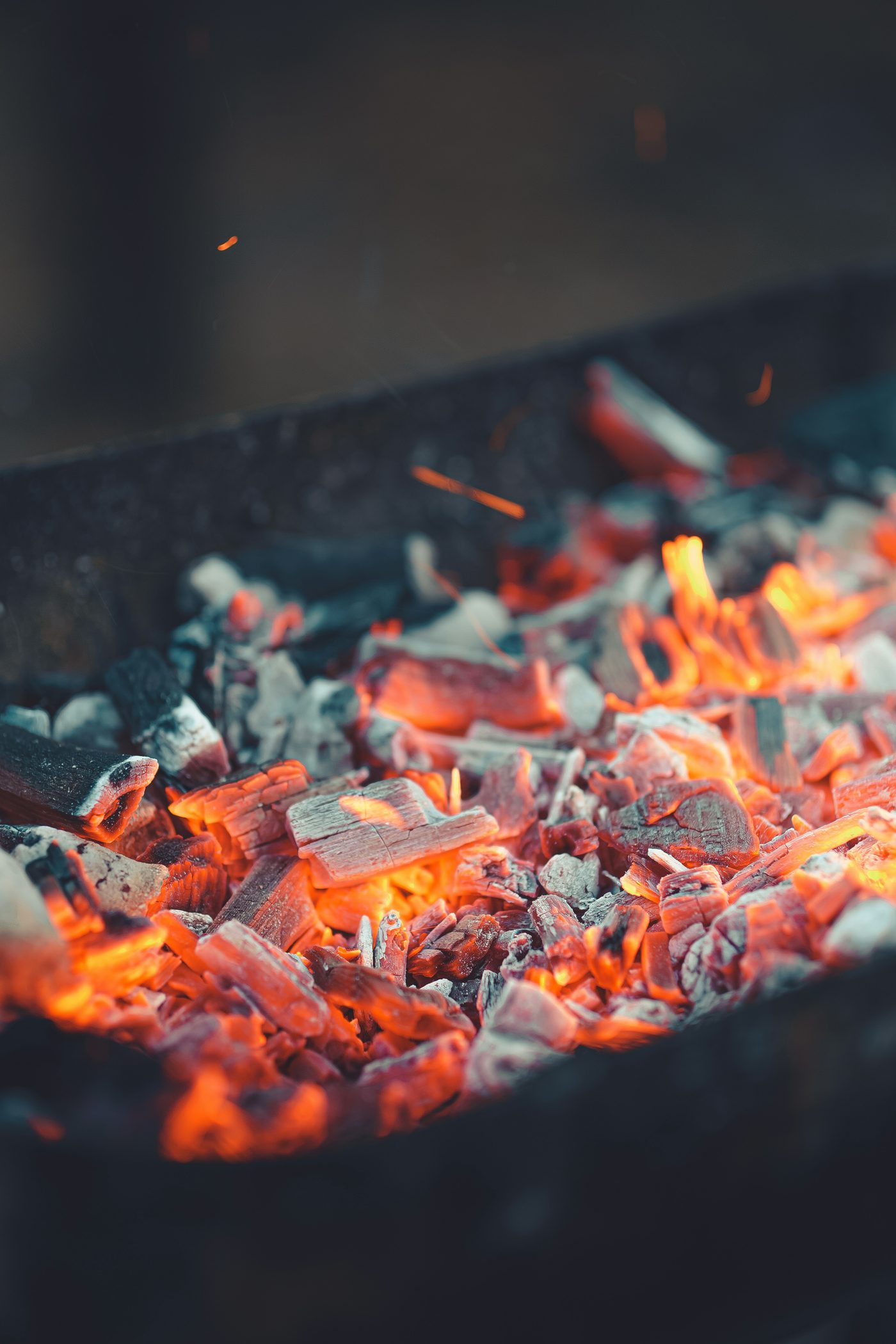
Low, slow, and built on smoke and time
$32 / box
4 spices · 2oz each
Pikes Peak Butcher's RubSmoked Spanish Sweet PaprikaCajun BlackeningGeorgia Boys BBQ Rub
Low, slow, and built on smoke and time
Southern BBQ is not a cooking method. It is a culture, a religion, and a way of life that varies dramatically from Texas brisket to Carolina pulled pork to Memphis dry-rub ribs. What all Southern BBQ shares is patience, smoke, and a deep reverence for the spice rub, the art of flavouring meat before it ever sees fire.
A Colorado-style butcher's blend built for serious meat, beef brisket, pork ribs, lamb chops. Named after the iconic Colorado peak, this rub combines cracked black pepper, garlic, and herbs in the way a professional butcher would season a prime cut.
The backbone of most Southern BBQ rubs. Smoked paprika provides the deep red colour, the gentle sweetness, and the smoke-layer foundation that makes a BBQ rub look and taste like it came from a real pitmaster.
The fiery heart of Louisiana cooking, transplanted to the BBQ tradition. Cajun blackening spice, a high-heat blend of cayenne, paprika, garlic, and herbs, creates that incredible charred crust on the outside of grilled meats.
A sweet and savory rub from the Georgia tradition, where BBQ has a gentler, sweeter profile than Texas or Carolina. This blend balances brown sugar sweetness with earthy spices for a rub that caramelises beautifully over low heat.
Baby back ribs coated in a blend of all four spices and slow-cooked for three hours at 275°F until the meat pulls back from the bone and the rub has caramelised into a perfect bark.
Remove the membrane from the back of the ribs.
Coat ribs lightly with mustard, then apply combined spice rub on all sides.
Let rest 1 hour at room temperature. Preheat oven or smoker to 275°F.
Cook ribs bone-side down for 2.5-3 hours, spritzing with vinegar every 45 minutes.
Rest 15 minutes. The rub should have formed a deep mahogany bark.
The 'low and slow' method of Southern BBQ originated with enslaved African Americans in the antebellum South, who were given the toughest, least desirable cuts of meat, including pork shoulder, brisket and ribs, and developed the technique of cooking them for many hours over indirect heat to make them tender. The cuisine that emerged from this necessity is now the most celebrated cooking tradition in America.